Spike Shoes vs. Carbon Plate Running Shoes: Which is best for track and field? Discover the pros and cons of carbon plate running shoes, racing shoes, track and field shoes, and spike shoes to determine the perfect fit for speed, grip, and performance.
Introduction: The Ultimate Battle for Speed
When it comes to track and field performance, choosing the right footwear is essential. Runners often debate between spike shoes and carbon plate running shoes. Both are engineered for speed, but which one gives you the competitive edge? This guide compares their features, benefits, and best use cases.
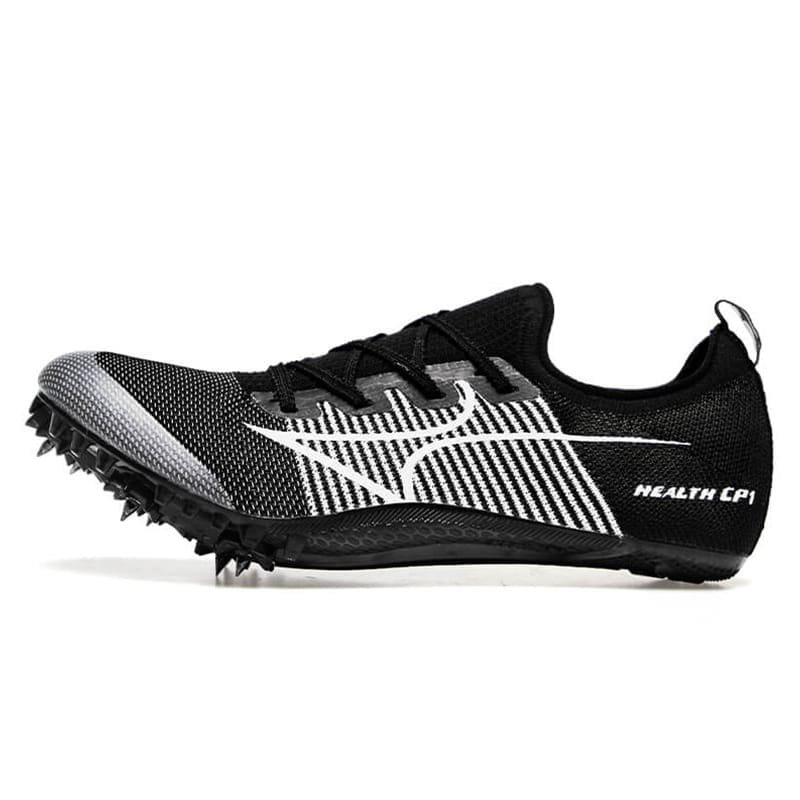
What Are Carbon Plate Running Shoes?
Carbon plate running shoes have revolutionized the world of running. Designed with a stiff carbon fiber plate embedded in the midsole, these shoes enhance energy return and propulsion, making them a favorite among elite athletes.
Key Features:
- Carbon Fiber Plate: Improves efficiency and reduces fatigue.
- Lightweight Build: Designed for speed with an average weight of 6.5 oz (184g).
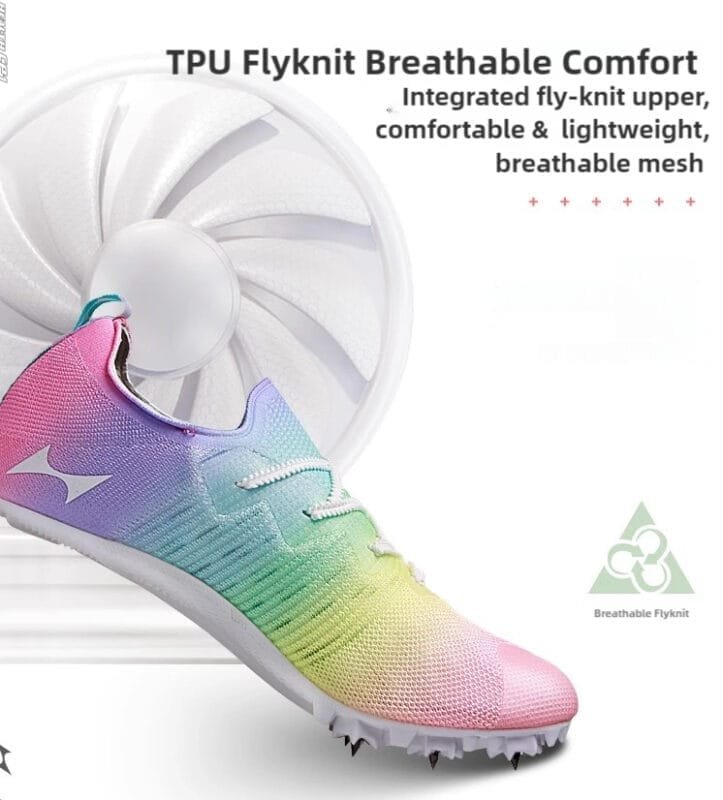
- Breathable Mesh Upper: Enhances ventilation for long-distance comfort.
- TPU Energy Return System: Provides additional propulsion.
What Are Spike Shoes?
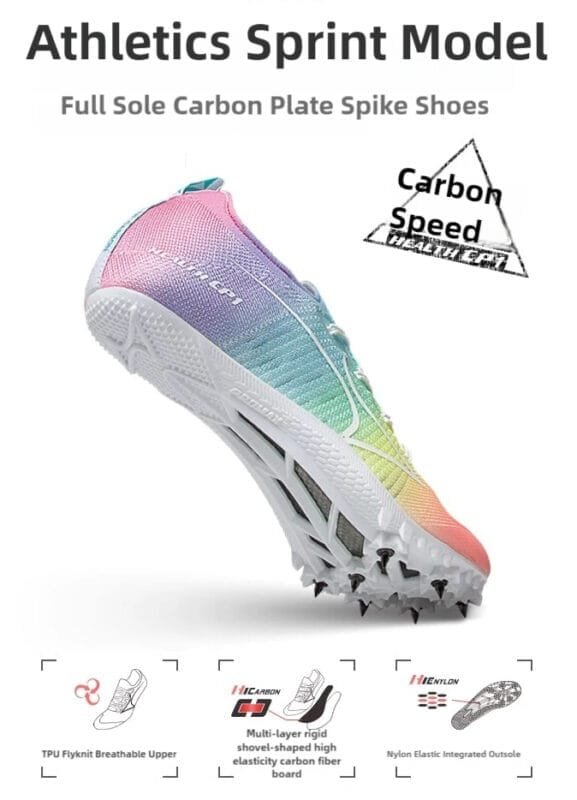
Spike shoes are track-specific footwear featuring metal or rubber spikes on the outsole. These shoes are designed to provide maximum grip and traction on the track surface.
Key Features:
- Integrated Spikes: Offers superior grip for high-speed sprints.
- Minimal Cushioning: Reduces weight for maximum acceleration.
- Firm Midsole: Ensures stability during quick turns and explosive starts.
- Ideal for Sprints and Hurdles: Optimized for short, high-intensity races.
Comparing Spike Shoes and Carbon Plate Running Shoes
| Feature | Carbon Plate Running Shoes | Spike Shoes |
|---|---|---|
| Purpose | Long-distance races and training | Sprints, hurdles, and track events |
| Energy Return | High (carbon plate enhances propulsion) | Low (built for grip and ground contact) |
| Traction | Moderate grip for road and track | Maximum grip with integrated spikes |
| Comfort | More cushioned for endurance | Minimal cushioning for responsiveness |
| Weight | Lightweight but slightly heavier than spikes | Ultra-light for explosive speed |
Which Should You Choose?
The choice between carbon plate running shoes and spike shoes depends on your goals:
- Choose Carbon Plate Running Shoes if: You run middle to long-distance races, need a balance of speed and comfort, or train for marathons.
- Choose Spike Shoes if: You specialize in sprints, hurdles, or short-distance track events where grip and acceleration matter most.
Conclusion: The Best Shoe for Your Running Style
Both spike shoes and carbon plate running shoes offer unique benefits. While spike shoes provide unmatched traction for sprints, carbon plate shoes enhance energy efficiency for longer races. The key is to match your footwear to your training and competition needs.
FAQs
1. Can carbon plate running shoes replace spike shoes for track events?
No, spike shoes provide better traction for sprinting, while carbon plate shoes are better suited for endurance running.
2. Are carbon plate running shoes good for training?
Yes, they help improve efficiency and speed but may wear out faster than traditional training shoes.
3. Do all track and field athletes use spike shoes?
Not necessarily. Sprinters rely on spikes, while long-distance runners may prefer carbon plate running shoes.
4. How long do spike shoes last?
Spike shoes typically last 100-200 miles, depending on use and track conditions.
5. Are carbon plate running shoes allowed in official races?
Yes, most are approved by World Athletics, but always check specific event regulations.
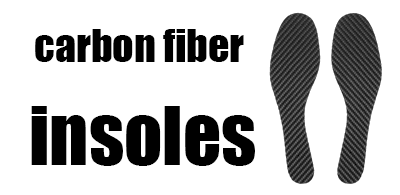
Why Carbon Fiber Insoles Are a Runner’s Best Friend
Runners constantly seek ways to improve their performance and reduce the risk of injury. Carbon fiber insoles have emerged as one of the most effective tools in a runner’s arsenal. The unique properties of carbon fiber—including its high strength-to-weight ratio and excellent energy return—make it ideal for the repetitive impact forces that running entails.
Studies have shown that the right insole can improve running economy by up to 2-3%, which translates to significant time savings over long distances. Carbon fiber insoles accomplish this by storing energy during foot strike and releasing it during toe-off, creating a propulsive effect that reduces the muscular work required from your legs.
For marathon runners, the cumulative effect of improved efficiency becomes even more pronounced. Over 26.2 miles, even small improvements in energy conservation can make the difference between a personal best and falling short of your goals. Many elite runners have incorporated carbon fiber insoles into their training and racing routines specifically for this reason.
TLSS: Premium Athletic Footwear Technology
TLSS represents a new generation of athletic footwear that integrates carbon fiber technology directly into shoe design. By combining anti-torsion carbon fiber plates with advanced cushioning systems, TLSS products deliver a unique blend of stability, comfort, and performance that traditional athletic shoes cannot match.
The anti-torsion design of TLSS shoes helps guide the foot through its natural motion cycle, reducing unnecessary energy loss and improving overall efficiency. This is particularly beneficial for sports that require rapid changes of direction, where foot stability directly impacts performance and injury risk.
The Science of Lightweight Performance
Every gram matters in competitive sports. Research in sports biomechanics has consistently shown that reducing shoe weight improves running economy, with even small reductions translating to meaningful performance gains. Carbon fiber achieves what was previously impossible: exceptional strength and rigidity in an incredibly lightweight package.
The key to carbon fiber’s performance lies in its anisotropic properties—meaning it behaves differently depending on the direction of force. When engineered correctly for insoles, carbon fiber provides maximum stiffness along the length of the foot where support is most needed while allowing enough flexibility for natural foot motion.
Frequently Asked Questions
How long do carbon fiber insoles last?
Carbon fiber insoles are known for their exceptional durability. With proper care, they can last between 2-5 years depending on usage frequency and activity type. Unlike traditional foam or gel insoles that compress over time, carbon fiber maintains its structural integrity and supportive properties much longer. Athletes who use them daily for high-impact sports may see some wear after 1-2 years, while occasional users can enjoy their benefits for 3-5 years or more.
Are carbon fiber insoles suitable for all types of shoes?
Carbon fiber insoles are designed to fit most athletic shoes, running shoes, soccer cleats, and basketball shoes. They are available in various sizes and can be trimmed to fit your specific shoe size. However, they may not fit well in very narrow or flat shoes without removable insoles. Always check the manufacturer’s sizing guide and ensure your shoes have enough depth to accommodate the insole comfortably.
Can carbon fiber insoles help with existing foot pain?
Many users report significant relief from foot pain after switching to carbon fiber insoles. The rigid yet lightweight structure helps distribute pressure evenly across the foot, reducing strain on the arch, heel, and ball of the foot. They are particularly beneficial for people suffering from plantar fasciitis, flat feet, and general foot fatigue. However, for chronic or severe foot conditions, it is always recommended to consult with a podiatrist or healthcare professional.
Related Products
Explore our curated selection of carbon fiber insole products designed to enhance your athletic performance and foot comfort:
- Carbon Fiber Insoles – Our flagship product delivering unmatched support and energy return
- Running Insoles – Engineered specifically for runners seeking speed and comfort
- Soccer Insoles – Designed for football players who demand stability and quick movements
- Basketball Insoles – Maximize your vertical jump and landing comfort