The modern running landscape has been fundamentally reshaped by a technological revolution, and at the heart of it lies a pair of often brightly colored, thick-soled shoes. Carbon plate running shoes, a subset of the broader category of carbon fiber shoes, have exploded in popularity, moving from an elite secret weapon to a common sight in every local race. But what exactly are they, and how can you, as a runner, integrate them into your training to maximize performance and longevity?
This in-depth guide will demystify these high-performance tools. We’ll explore the science behind them, answer critical questions like are carbon fiber shoes good for training, and weigh the carbon plate running shoes benefits and drawbacks. Finally, we’ll address a crucial practical concern: how long do carbon fiber running shoes last?
The Engine Inside: What Are Carbon Fiber Shoes?
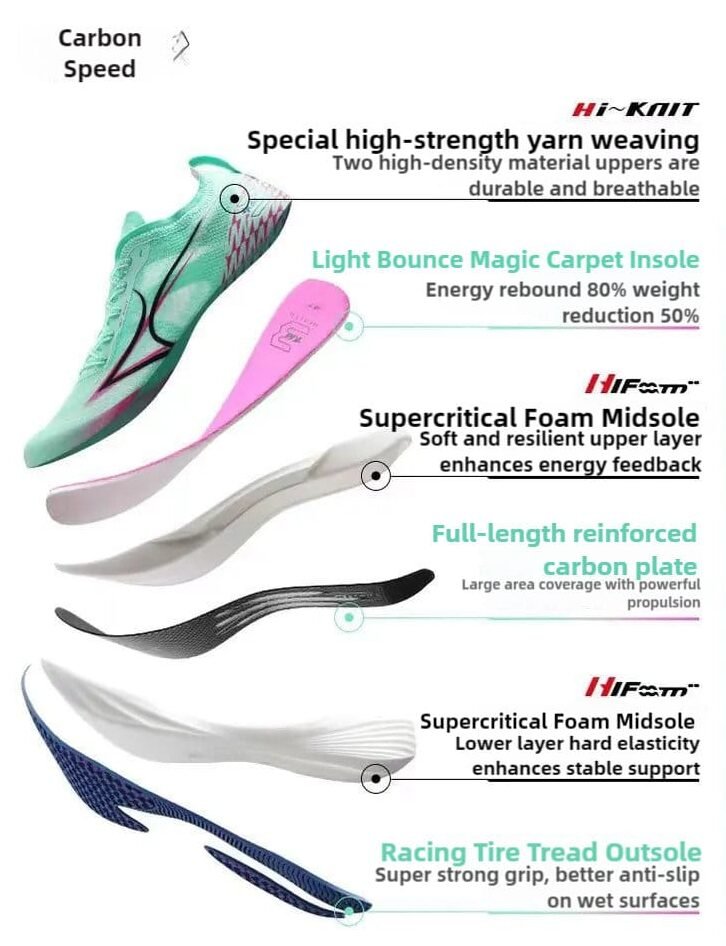
At their core, carbon plate running shoes are defined by a key component: a thin, rigid, or semi-rigid plate made from carbon fiber composite, embedded within a thick layer of advanced, energy-returning foam (like PEBAX or Nitro foam).
This combination creates a powerful system:
-
The Super Foam: The midsole foam is incredibly resilient. It compresses upon foot strike and then rapidly springs back, returning a significant amount of energy to the runner. This is a vast improvement over traditional EVA foam, which tends to absorb and dissipate energy.
-
The Carbon Plate: This is the game-changer. The plate acts as a lever. Its rigidity resists bending at the toe-off phase of your gait. This creates a “rocking” or “teeter-totter” effect, propelling you forward and reducing the energy your calf muscles and Achilles tendon need to expend to push off.
The synergy between the foam and the plate leads to a measurable improvement in running economy. Simply put, you can maintain a given pace with less effort, or run faster with the same level of exertion.
Weighing the Pros and Cons: Carbon Plate Running Shoes Benefits and Drawbacks
Before investing, it’s essential to understand the full picture. The carbon plate running shoes benefits and drawbacks are significant and should guide your decision.
The Benefits (The Pros):
-
Enhanced Performance: This is the primary draw. The sensation of a propulsive “pop” or spring is real for many runners, leading to faster times, especially over long distances.
-
Improved Running Economy: Scientific studies have consistently shown that these shoes reduce the metabolic cost of running. Your body uses less oxygen at a given speed.
-
Reduced Muscle Fatigue: The plate’s lever effect may decrease the strain on the calf and Achilles, potentially leading to less muscle damage during a marathon and a faster recovery afterward.
-
Psychological Boost: Lacing up a purpose-built, high-tech shoe on race day provides a powerful mental edge, making you feel faster and more prepared.
The Drawbacks (The Cons):
-
High Cost: Carbon fiber shoes are a premium product, often costing $250 USD or more.
-
Durability Concerns: The soft, high-performance foams are susceptible to wear and tear from abrasive surfaces. This directly relates to the question of how long do carbon fiber running shoes last, which we’ll address later.
-
Altered Biomechanics: The high stack height and rigid plate can change your natural gait. For some, this can lead to issues in areas like the plantar fascia, hips, or knees if not introduced properly.
-
Not for Every Runner: Runners who severely overpronate or need significant stability features might find the geometry of these shoes challenging to control.
The Training Dilemma: Are Carbon Fiber Shoes Good for Training?
This is one of the most debated topics in running circles. Should you log all your miles in your super shoes? The general consensus among coaches and experts is a cautious “no,” and here’s why:
-
Preserving the “Magic”: The high-energy return foams have a finite lifespan. If you use them for every slow, easy run, you will wear down the foam’s resilience long before the outsole is bald. You’re essentially wasting their peak performance on workouts that don’t require it.
-
Cost-Effectiveness: Given the high price, it’s not economically wise to use them as daily trainers. A standard training shoe is more durable and cost-effective for the bulk of your mileage.
-
Building Innate Strength: Easy runs are meant to build your aerobic base and reinforce good running form without external assistance. Constantly relying on a carbon plate could potentially hinder the development of the intrinsic foot and stabilizing muscles that are crucial for long-term resilience.
So, when should you use them? The ideal use case for carbon plate running shoes is for race day and key workouts (like tempo runs, intervals, or marathon-pace long runs). This strategy preserves the shoe’s performance for when it matters most and allows your body to adapt to the unique feel.

Maximizing Your Investment: How Long Do Carbon Fiber Running Shoes Last?
There isn’t a one-size-fits-all answer to how long do carbon fiber running shoes last, as it depends on your weight, running style, and the surfaces you run on. However, most manufacturers and running experts suggest a lifespan of 150 to 300 miles for peak performance.
After this point, the foam may not compress and rebound as effectively, diminishing the shoe’s signature energy return. The plate itself does not degrade, but its effectiveness is dependent on the foam around it. You’ll know the shoes are losing their pop when they start to feel “dead” or flat, even if the outsole still looks okay.
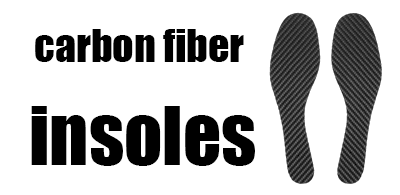
Pro Tip to Extend Longevity: The stock insoles that come with running shoes are often thin and low-quality. They compress quickly and offer little support. By replacing them with a high-quality carbon fiber insole from carbonfiberinsoles.shop, you can:
-
Protect the Midsole: Carbon fiber insole acts as a sacrificial layer, absorbing impact and moisture that would otherwise break down the primary foam midsole faster.
-
Enhance Stability and Fit: A premium insole provides better arch support and heel cupping, improving stability within the high-stack shoe. A better fit means less internal foot movement, reducing wear.
-
Maintain Performance: A firm, supportive insole creates a more stable platform for the carbon plate to work against, ensuring efficient energy transfer throughout the shoe’s life.
Visit https://www.carbonfiberinsoles.shop/ to explore insoles that can protect your investment and enhance the comfort and performance of all your running shoes, carbon-plated or not.
The Final Verdict
Carbon plate running shoes are a remarkable innovation that can provide a legitimate performance advantage. Understanding the carbon plate running shoes benefits and drawbacks is key to using them wisely. While they are not the best choice for answering a full “yes” to are carbon fiber shoes good for training, they are unparalleled for race day and key speed sessions.
By being strategic with their use, you can maximize their performance and address the concern of how long do carbon fiber running shoes last. Pair them with carbon fiber insoles to protect your investment, and you have a recipe for running faster, smarter, and more efficiently.
Understanding The Runner’s Guide to Carbon Plated Shoes: From Race Day to Recovery Runs: Key Considerations
When evaluating whether The Runner’s Guide to Carbon Plated Shoes: From Race Day to Recovery Runs, it’s important to consider both the immediate benefits and long-term implications for your foot health. Carbon fiber insoles have gained significant traction in recent years, with professional athletes and healthcare providers increasingly recommending them for a variety of foot-related conditions. The unique properties of carbon fiber—including its exceptional strength-to-weight ratio and energy-return characteristics—make it an ideal material for orthotic applications.
Who Can Benefit Most from Carbon Fiber Insoles?
Carbon fiber insoles are particularly beneficial for individuals who spend extended periods on their feet, whether for professional reasons or athletic pursuits. Studies have shown that proper arch support and heel stabilization can reduce foot fatigue by up to 40%, allowing users to remain comfortable and productive throughout the day. The rigidity of carbon fiber provides consistent support that doesn’t compress over time, unlike traditional foam or gel insoles.
Making the Right Choice for Your Needs
Ultimately, the decision between carbon fiber insoles and traditional alternatives depends on your specific circumstances, including your foot type, activity level, and any pre-existing conditions. We recommend consulting with a podiatrist if you have persistent foot pain or structural concerns. For those seeking a durable, high-performance insole solution, carbon fiber options offer compelling advantages that justify their premium positioning in the market.
Frequently Asked Questions
Q: How long do carbon fiber insoles last compared to traditional insoles?
A: Carbon fiber insoles typically last 2-3 years with regular use, significantly outlasting foam insoles which may need replacement every 3-6 months.
Q: Are carbon fiber insoles suitable for all types of shoes?
A: While carbon fiber insoles work well in most athletic and casual shoes, they may require shoes with adequate depth. High heels and some dress shoes may not accommodate thicker insoles.
Q: Can carbon fiber insoles help with existing foot pain?
A: Many users report significant pain reduction, particularly for conditions like plantar fasciitis, metatarsalgia, and general foot fatigue. Individual results vary.
Q: Do carbon fiber insoles require a break-in period?
A: Unlike some orthotic devices, carbon fiber insoles typically require minimal break-in time. Most users adapt within a few days of regular wear.